Selected Service
Onsite Control Room Operation
Moving security personnel from the gate to onsite control room enhances security by utilizing technology (CCTV, smoke alarm, control automatic gate, intrusion detection) for faster response times and better surveillance coverage.
An onsite control room is a dedicated, physical space located within a facility that serves as the central hub for monitoring, managing, and securing operations in real-time. Unlike Alarm receiving centre, an onsite hub allows for immediate, local decision-making, alarm confirmation from Alarm receiving centre and direct physical coordination with personnel on the ground. It brings together personnel, technology, and surveillance systems to ensure safety, operational efficiency, and rapid incident response, typically functioning 24/7.
Key Considerations for Centralized Security Control Rooms
-
Improved Surveillance: Control rooms allow for monitoring hundreds of cameras 24/7, enabling a proactive approach to potential threats before they reach the building.
-
Cost-Effectiveness & Safety: Utilizing CCTV to detect issues is often more efficient than manual patrols, reducing risks to security personnel.
-
Instant Response: Control rooms act as the central hub to dispatch mobile patrols, contact emergency services, and manage incident responses efficiently.
-
Technology Integration: Modern security systems include alarms that send immediate notifications to the control room, such as smoke/gas alarm, perimeter detection, motion sensors detecting a breach at the gate.
-
Access Control Management: Controlling entry points, managing badges/biometrics, and providing access for staff and visitors.
-
Communication Hub: Maintaining radio and telephone contact with onsite staff and external emergency services to coordinate actions.
-
Record Keeping & Reporting: Maintaining accurate logs (Occurrence Books) of all incidents, activities, and daily reports for evidence and auditing.
-
System Maintenance Checks: Performing regular checks of cameras and systems to ensure they are functional, logging, and reporting faults.
-
Key Management: Controlling and issuing keys to authorized personnel.
-
Uninterrupted 24/7 Facility & Property Maintenance Management operations.
-
Alarm Handling: Monitoring and responding to fire, and access control systems alarms immediately.
A common, highly effective strategy is combining both: utilizing CCTV for site monitoring, Smoke alarm, Gas leak detector and access control from onsite control room, while having a static guard at the main entrance during high-risk hours.
Control rooms act as the central brain of a site's security, blending human vigilance with technology to ensure safety.
Security Guards vs Electronic Security Solutions
Manned guards also have the physical limitation of only being able to be in one place at a time resulting in limited coverage. In the event of planned incident guards can be targeted as they are often key holders with knowledge of security procedures.
Electronic Security Solutions
An electronic security system allows sites to be protected 24 hours a day, 365 days a year. So, security systems and remote monitoring are a significantly cheaper option than manned guarding.
Next Step
Move from service information to project requirements.
Instead of choosing individual products here, complete the SafetyCodx questionnaire. It gives our team the context needed to understand what is already installed, where the risks are, which capabilities matter to you and what should be discussed during the next stage.
Other Services
Explore other services for RESIDENT

Alarm Receiving Centre (ARC)

Facility & Property Maintenance Management

Fire Safety & Onsite Emergency Fire Services

Fraud Prevention Planning & Design

GPS Staff Tracking & Security Guard Monitoring System

Inventory Management & Legal Document Management System

Management Solutions System
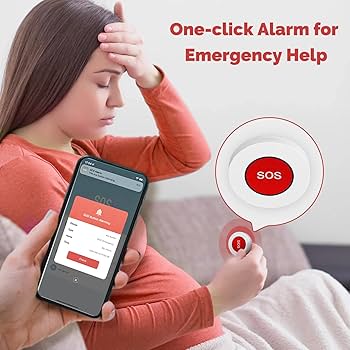
SOS Panic Alarm

Security Systems Planning & Design

Smart Systems Planning & Design
